The Backpack of Jean Prouvé’s Chair
As one of the invited designers participating in “Imagine Jean Prouvé — A Dialogue between Chinese Designers and Prouvé”, LUOstudio takes Jean Prouvé’s iconic Standard Chair as a medium to explore a dialogue across time and cultures.
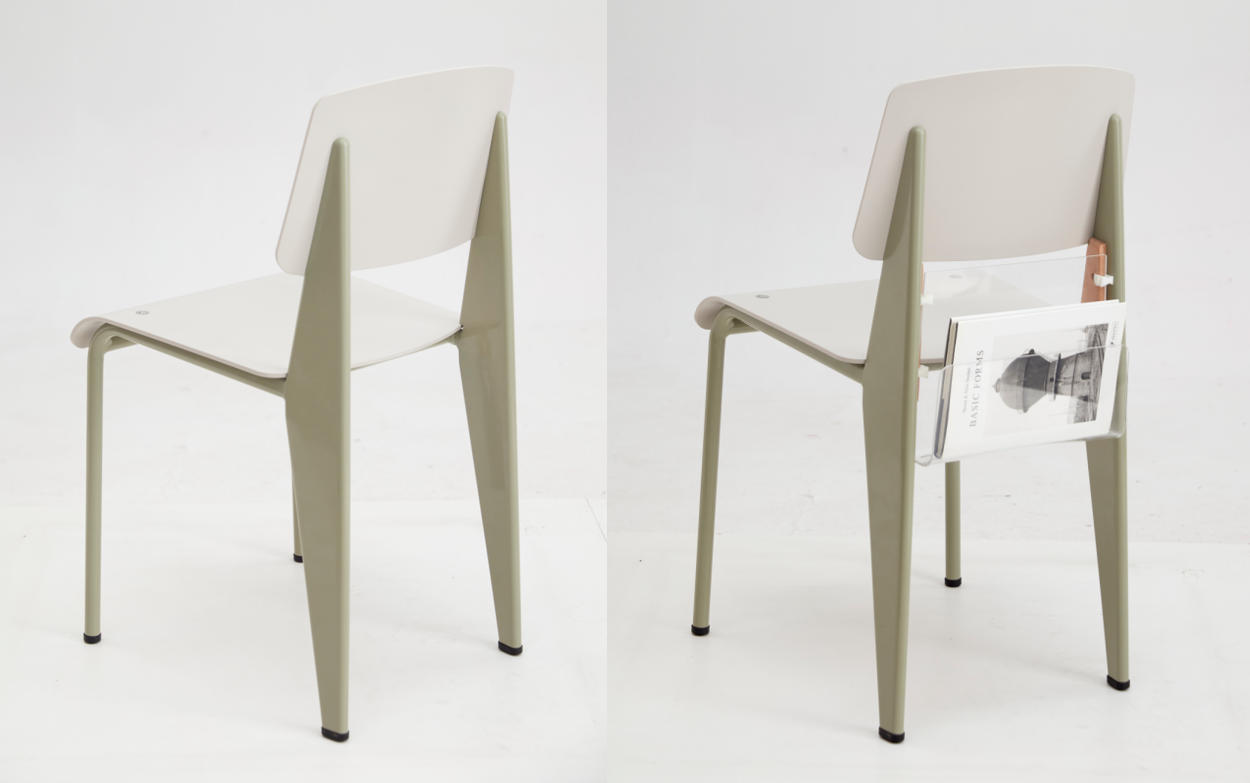
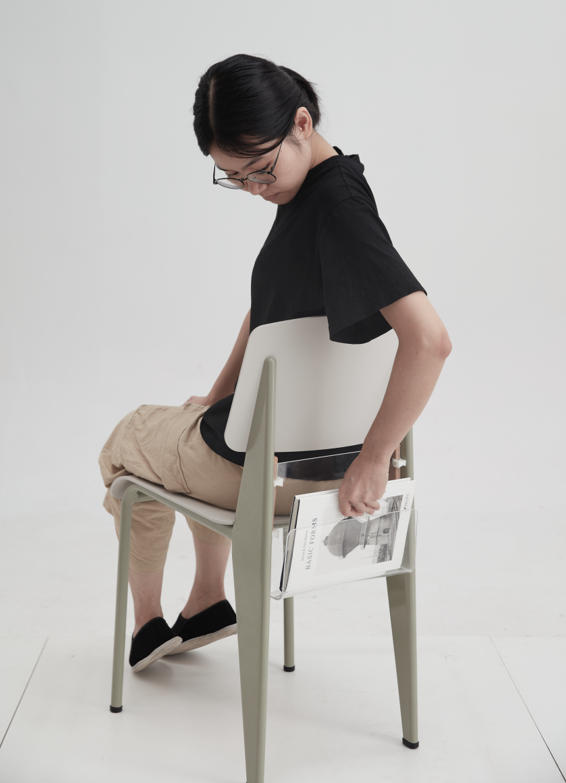
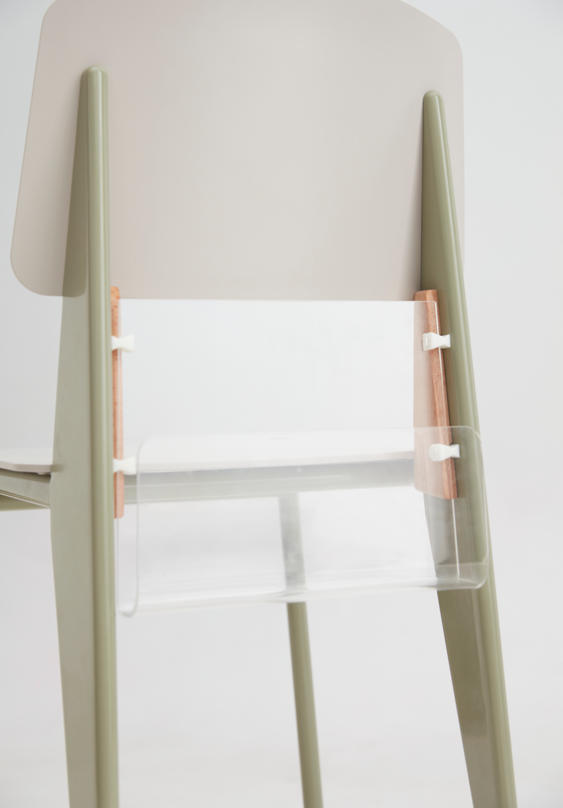
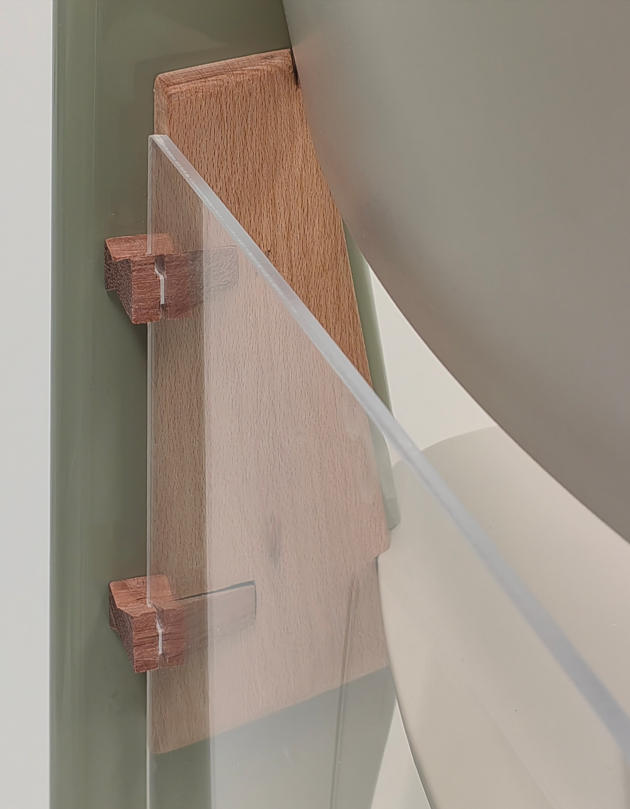
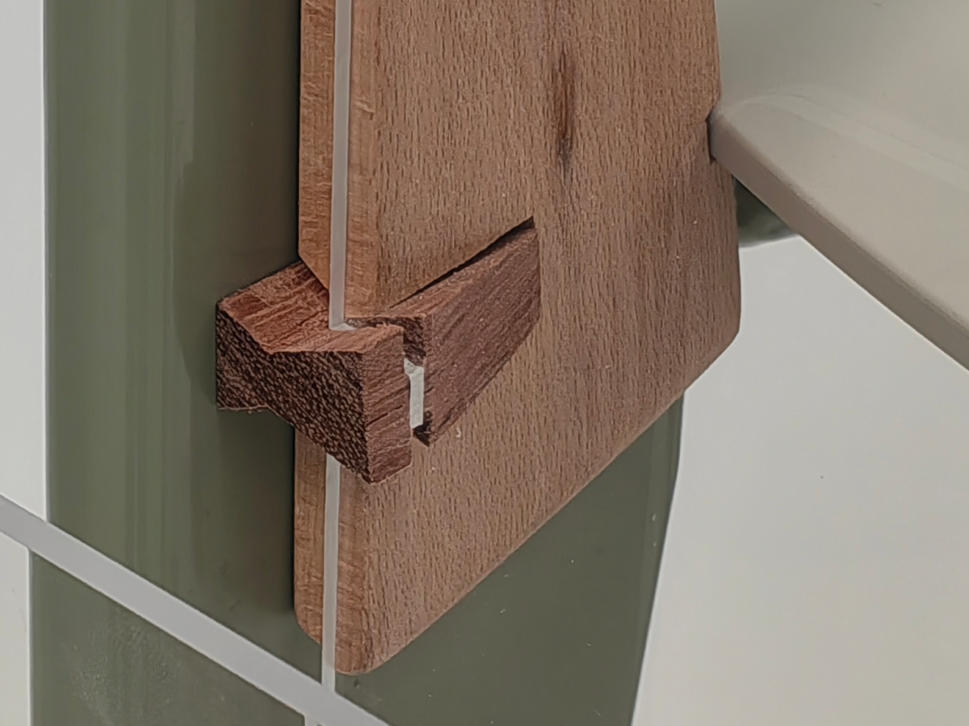
Jean Prouvé’s chair is already a complete work with its own structural logic and functional integrity. Therefore, LUOstudio does not modify or damage the original chair, but instead seeks to discover new possibilities within its existing structure. By utilizing the natural space between the backrest and seat, together with the original metal frame, the design introduces a detachable bookshelf through a combination of wooden components, magnetic fixing, and a mortise-like connection — like a “backpack” carried by the chair.
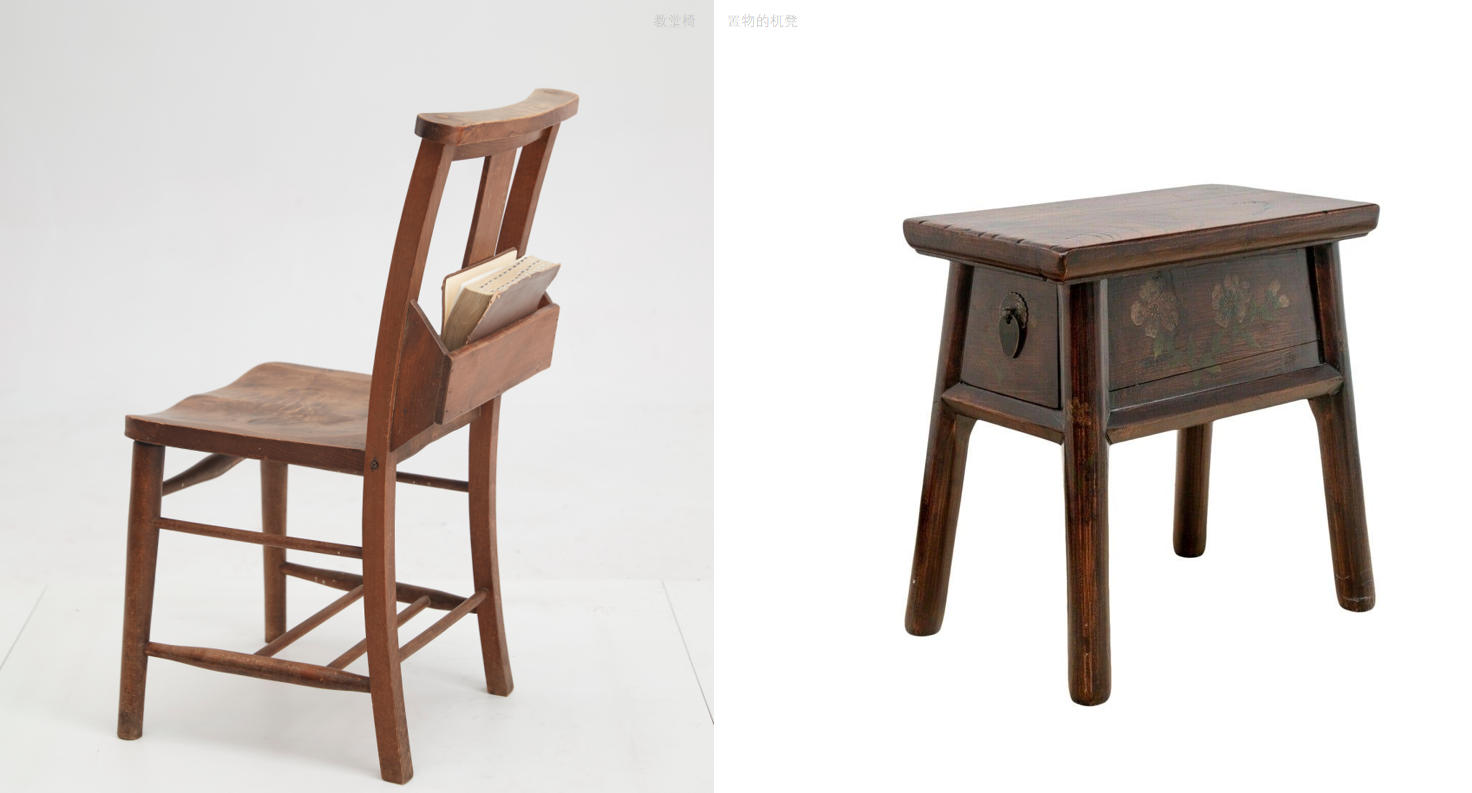
Storage has long been an integral part of furniture traditions in both Eastern and Western cultures. Various historical furniture types demonstrate the combination of seating and storage. A church chair collected and studied by LUOstudio, for example, incorporates a bookshelf behind the backrest, revealing a close relationship between sitting, reading, and everyday life. This historical precedent became an important inspiration for the project. The “backpack” is therefore not merely an added function, but a continuation and reinterpretation of the furniture archetype.
The connection method draws inspiration from traditional Eastern joinery, allowing Chinese construction wisdom to engage in dialogue with Jean Prouvé’s Western modernist approach to industrial design. While preserving the integrity of the original chair, this intervention continues Prouvé’s pursuit of material honesty, structural clarity, and adaptability, creating a dialogue between tradition and modernity, East and West, construction and everyday life.
Prouvé 的“背包”
作为“Imagine Jean Prouvé——中国设计师与Prouvé的对话”展览受邀设计之一,LUOstudio 以 Jean Prouvé 的经典 Standard Chair 为媒介,尝试展开一次跨越时间与文化的设计回应。
Jean Prouvé 的椅子本身已具备高度完整的结构逻辑与使用价值。因此,LUOstudio 并未对原椅进行任何修改或损伤,而是在尊重其原有构造的基础上,寻找结构中潜在的可能。设计利用椅背与坐垫之间自然形成的空间,以及原有铁架的构造关系,通过木质构件、磁吸方式和榫卡连接,形成一个可拆卸的书架,如同椅子背负的“背包”。
储物功能并非家具发展的新现象。无论东方还是西方,家具中均存在坐具与储物相结合的传统。LUOstudio 所收藏并研究的教堂椅(Church Chair)便具有椅背储书的功能,这种人与书籍、坐与阅读之间的关系成为本次设计的重要启发。“背包”因此并不是一个附加于椅子的功能物,而是对家具原型和日常使用关系的一次延续与转译。
连接方式借鉴东方传统榫卯智慧,通过无需破坏主体的榫卡结构,使中国传统建造逻辑与 Jean Prouvé 所代表的西方现代工业设计产生交流。它既回应 Prouvé 对材料真实性、结构清晰性和适应性的探索,也尝试在传统与现代、东方与西方之间建立一次跨时空的对话。